


Annual urban inflation slowed for a second consecutive month in September, reaching its lowest level since February 2026. However, rebounding food prices and persistent housing costs continue to pressure household purchasing power.
Egypt’s annual urban headline inflation fell to 13.9% in September from 14.5% in August, according to the Central Agency for Public Mobilization and Statistics (CAPMAS). The rate remained above 11.9% in January 2026 and 11.7% in September 2025.
Nationwide, annual inflation edged up to 12.8% from 12.7% in August, compared with 10.3% a year earlier. Monthly nationwide inflation accelerated to 1.5%, while urban prices rose 1.3%, up from 0.1% in August, according to CAPMAS and the Central Bank of Egypt (CBE).
Although annual inflation can decline while prices continue to rise, September’s figures point to an uneven slowdown. Annual core inflation fell to 14.1% from 14.9% in August, but monthly core inflation accelerated to 0.8% from 0.3%, according to the CBE.
Hady Eleraky, Senior Government Affairs Analyst at Moharram & Partners, attributed the moderation partly to favorable base effects and easing underlying price pressures. “The decline confirms the credibility of the Central Bank of Egypt’s policy framework,” he said.
Food prices rebound
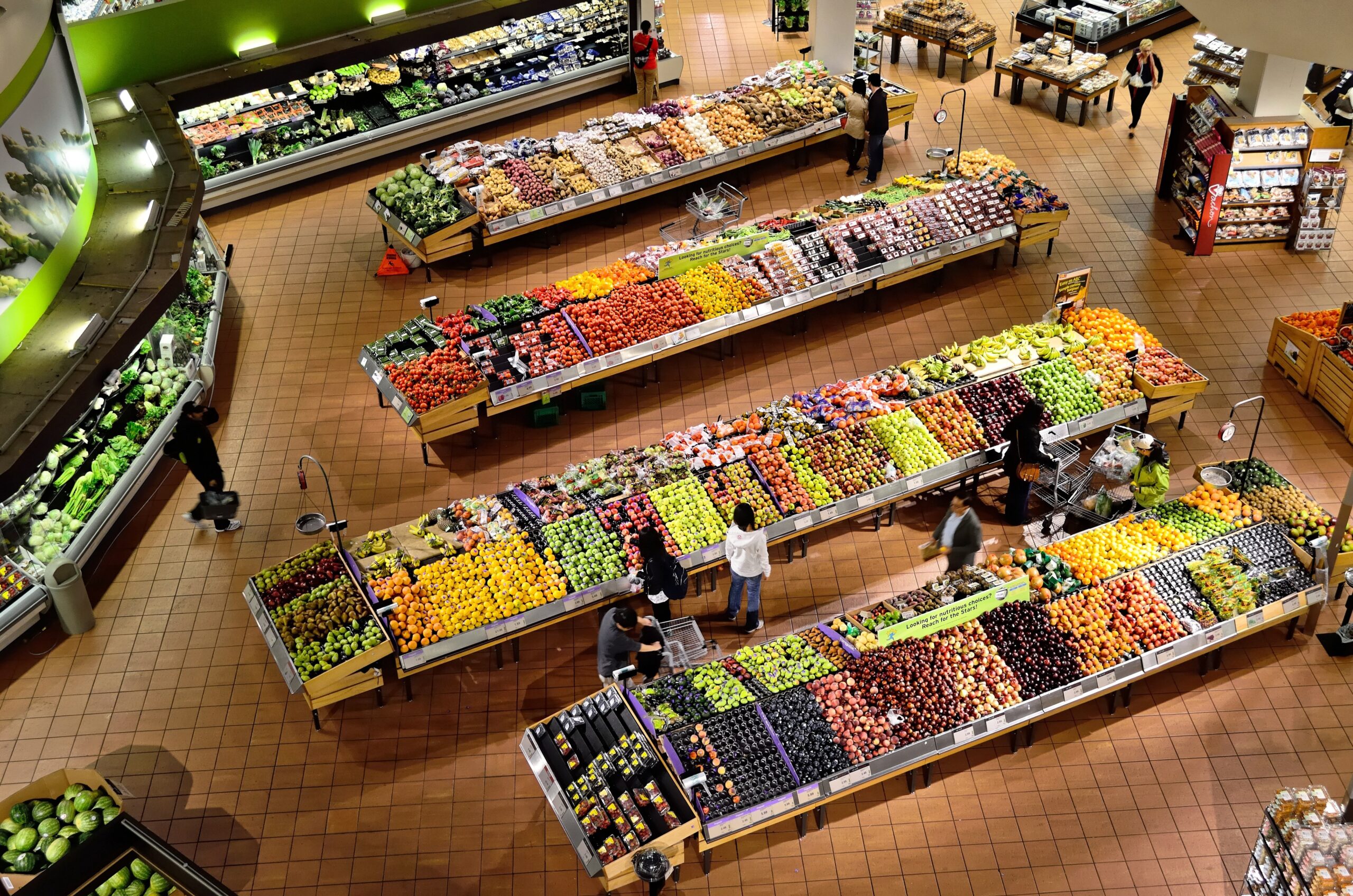
Food and non-alcoholic beverages account for approximately 35.9% of the nationwide consumer price index (CPI) basket. Prices rose 3.2% month on month in September, reversing August’s 1.2% decline. Annual food inflation consequently increased to 7.9%, from 6.5% in August and 0.3% a year earlier.
Vegetable prices jumped 15.1%, while fruit rose 2.6%, meat and poultry 2.5%, and fish and seafood 1.2%. Despite the monthly rebound, food prices had increased by an estimated 10.7% cumulatively since December 2025.
Housing, water, electricity, gas and other fuels remained a major source of pressure. Annual inflation in the category reached 29.6% in September, down from 33.0% in August but above 18.2% a year earlier. Monthly prices rose 0.8%, compared with 1.9% in August.
Actual housing rentals increased 27.5% year on year, while imputed rentals rose 42.3%. Electricity, gas and other fuels recorded annual inflation of 22.6%, according to CAPMAS.
Transport inflation eased to 21.3% from 21.7% in August, with monthly prices rising just 0.1%. However, transport costs had increased by an estimated 12.9% since December 2025.
Other categories showed mixed trends. Annual inflation in furnishings and household equipment rose to 15.1% from 14.8% in August, while clothing and footwear inflation edged up to 12.7% from 12.6%. Health inflation remained at 5.2%, down sharply from 31.9% in September 2025.
Annual inflation in restaurants and hotels eased to 12.8% from 13.4%, while miscellaneous goods and services inflation declined to 10.8% from 11.8%. Education inflation remained at 20.0%, double the rate a year earlier, with cumulative price increases reaching an estimated 20.1% since December 2025.
Monetary policy and external risks
The CBE maintained its overnight deposit rate at 19%, its overnight lending rate at 20%, and its main operation rate at 19.5% at its September 24 meeting.
Restrictive monetary conditions can help anchor inflation expectations, but the outlook also depends on supply constraints, production costs and exchange-rate movements.
Eleraky highlighted Egypt’s ability to absorb external pressures. “The resilience of the economy is remarkable. Since February, Egypt has absorbed a sharp rise in global energy prices, exchange-rate pressure and necessary fuel price adjustments, yet urban inflation has remained within a stable range of 13% to 15%.”
Regional tensions remain a key risk. Higher energy prices, exchange-rate pressures and international shipping costs could raise domestic production and distribution expenses, slowing disinflation.
“Regional tensions remain the principal external variable, and the CBE has prudently noted that risks to the outlook are tilted to the upside,” Eleraky said.
Investment and domestic production
Sustaining disinflation will require more than monetary policy. Expanding domestic production, improving supply chains and diversifying energy sources could reduce cost pressures and exposure to external shocks.
Egypt’s FY2026/27 investment plan targets EGP 3.7 trillion in total investment, with the private sector expected to account for approximately 59%, according to the State Information Service.
If realized, investment in production, infrastructure and services could expand capacity, improve efficiency and create jobs. However, these benefits would take time to feed through to consumer prices, and the figures remain targets rather than realized outcomes.
An uneven path toward price stability
Lower inflation does not mean lower prices. After years of accumulated increases, households continue to face pressure, particularly from housing, education and transport costs. Sustained disinflation could nevertheless improve price predictability, helping households plan budgets and businesses forecast expenses.
Eleraky expects the slowdown to continue in the near term. “In the near term, inflation is expected to remain broadly within its recent range, with favorable base effects supporting a further decline in early 2027.”
Whether this progress continues will depend on monthly price movements, domestic production, investment and external conditions. September’s figures suggest inflation is moderating, but a sustained improvement in purchasing power will depend on price stability and income growth.