


For many filmmakers, festivals are a lifeline, easing pressure to compete directly with blockbusters in commercial cinemas that prioritize revenue over artistic value.
Beyond screen time in front of a large audience, festivals offer development grants, foreign investment and international distribution, enabling producers to make more. They often shape a movie producer’s business model, especially for low-budget arthouse productions, including financing and distribution models.
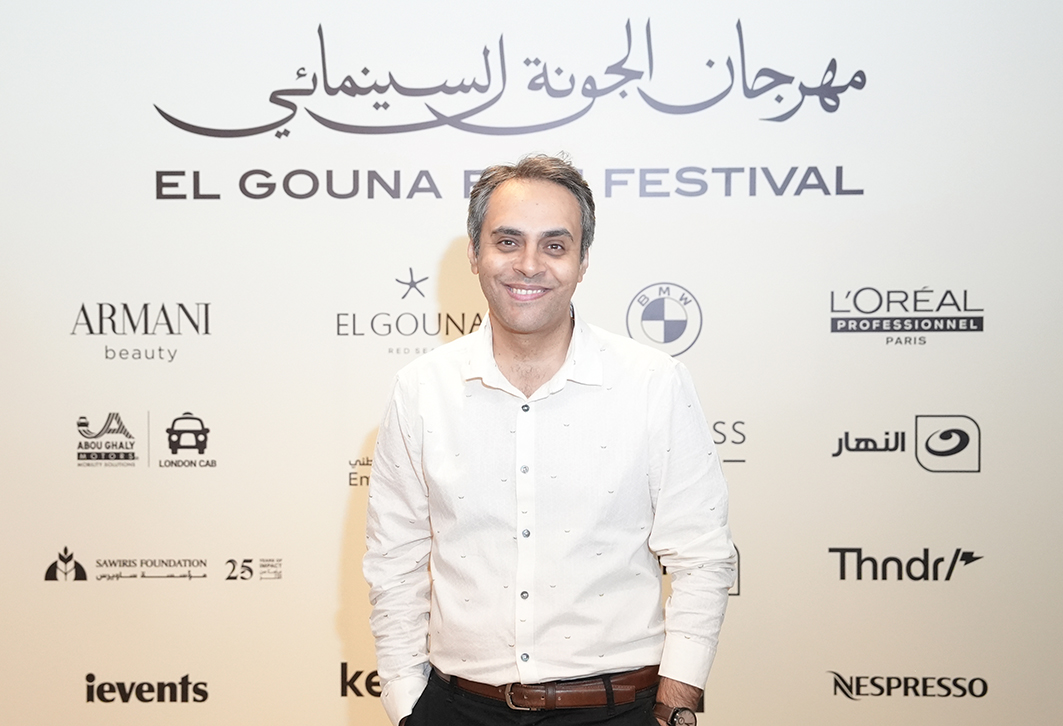
Business Monthly sat down for an exclusive interview with Andrew Mohsen, artistic director of the El Gouna Film Festival (GFF), to discuss how festivals stimulate industry development, navigate shifting regional distribution dynamics and safeguard Egypt’s cinematic heritage,
Disclaimer: Responses have been edited for length and clarity.
How do festivals support and enhance local Egyptian cinema?
For example, GFF’s CineGouna funding is supported by commercial producers and other industry investors who want to finance non-commercial, arthouse filmmakers. CineGouna also offers awards that provide essential funding to eligible filmmakers. This funding targets Arab and Egyptian projects, with a clear emphasis on nurturing Egyptian films.
Festivals are also major platforms for premiering and showcasing films from around the world. Many of them [assuming they have commercial potential] can be screened in commercial cinemas, attracting the wider public.
For example, GFF expanded its program selection beyond traditional arthouse cinema to encompass commercial films aimed at box-office success. Our aim is to bridge the gap between commercial and independent cinema [business] models.
We are already achieving the desired results, as many films screened at GFF are achieving strong commercial revenue in public theaters.
Should we view film production as an export commodity, a tourism driver that attracts visitors to festivals, or an industry aimed at drawing FDI?
Cinema represents all three. Film production can attract FDI if it showcases technical quality and high production standards. For example, CineGouna and the CineGouna Forum host festival events, panel discussions and professional workshops that connect local Egyptian talent with international industry counterparts.
This connectivity usually leads to cross-border co-productions, where international delegates collaborate with local filmmakers on new projects after viewing their work at the festival.
Meanwhile, the festival’s main “red carpet” event is a massive networking opportunity for program directors and scouts from competing international festivals who attend to discover films they might not have encountered elsewhere.
This dynamic applies to both feature-length films and short films. The latter, in particular, benefits immensely because they typically lack formal commercial distribution networks, making a festival screening their primary avenue to reach international audiences and secure backing for future endeavors.
What is GFF’s long-term strategic vision for growth and evolution?
The primary long-term ambition is to expand the festival’s operations beyond an annual event into a year-round active platform.
This vision encompasses hosting regular industry meetings, professional gatherings and structured creative residencies for filmmakers, effectively positioning the festival as a permanent incubator for local and regional talent.
Under this model, the main annual festival event would serve as a culmination, or “graduation,” showcase for film projects developed over the year or longer.
This approach would enable the festival to support high-caliber projects consistently and further enrich the local cinematic ecosystem.
By nurturing a larger volume of quality films, the festival can also help open new distribution channels in commercial cinemas for arthouse works.
That should allow more independent filmmakers to generate higher revenue streams, rendering the production of ambitious, high-quality cinema financially viable over the long term.
How does contemporary storytelling in Egyptian cinema compare to narrative trends across the wider Arab region?
Egypt’s cinematic environment has transformed. The country has a distinct storytelling heritage and narrative traditions that have historically proven commercially successful locally and across MENA.
The evident problem emerging today is artistic quality. Egyptian storytelling has declined noticeably in recent years, losing some of its former cinematic luster.
Filmmakers urgently need to rethink how they allocate production budgets, as resources are overwhelmingly concentrated in just two dominant genres: action and comedy, along with the hybrid action-comedy format.
This concentration is despite clear evidence that films in other genres, including crime dramas with minimal action or comedy elements, can perform very well financially.
For example, “Flight 404,” which tells the story of a woman’s struggles to renounce her old way and find a righteous path over the course of one day, did not break overall box-office records, but given its modest budget and release timing, it performed strongly. The film premiered at GFF and Venice before receiving a limited initial theatrical run.
Can you give us an overview of Egypt’s distribution landscape?
The local market faces significant conflicts among major cinema owners over screen allocations during lucrative peak national holiday seasons. This is amplified by the fact that the total number of operational cinema screens in Egypt remains drastically inadequate for a country of its population size.
Expanding theater infrastructure will require substantial new investment. Furthermore, Egypt urgently needs specialized arthouse cinemas for non-commercial works. There is currently only one dedicated arthouse theater, Zawya Cinema.
Meanwhile, the state’s decision to cease film production several years ago removed a critical institutional link that previously supported the ecosystem.
Today, the industry is split between two extreme models: heavily funded commercial blockbusters from major production houses or independent projects where producers spend four to five years bringing a single film to fruition, reducing overall production output.
How has the competitive landscape shifted for the Egyptian cinema industry?
New regional film hubs have benefited the film industry as a whole. First, it has enabled more high-budget productions, boosting overall sector growth. Second, it has increased audience reach, resulting in higher viewership and boosting potential film revenue.
There have also been downsides. First, more filmmakers and producers rely on a small, repeated pool of actors and formulaic genres to guarantee local and regional appeal. In practice, that means recycling identical story concepts and repeatedly casting the same actors in similar roles is unsustainable and quickly leads to audience saturation.
This rapidly growing, well-funded regional industry expanding across the Middle East means local cinema (most notably Egyptian movies, which have over 120 years of heritage) risks losing its identity as its output becomes generic to cater to broader audiences.
What is your assessment of the growing trend toward cross-regional Arab co-productions and multinational casting?
The co-production and multi\national casting model is better suited to television series, which command a much broader, less selective audience across territories than theatrical cinema.
The current cross-regional film casting approach often relies on hiring popular actors specifically to cater to a producer’s primary target market. For instance, Saudi-funded films frequently cast Egyptian stars who enjoy popularity in Saudi Arabia, while Egyptian productions include Saudi actors when targeting the Saudi market.
However, these commercial casting decisions do not always translate successfully into quality storytelling, as an actor who thrives in one cultural context may not resonate with audiences in another.
Moving forward, regional filmmakers should look to the European co-production model, which provides structured state subsidies and financial incentives to productions that utilize local artistic and technical talent.
Although this framework is complex to implement, it has proven exceptionally effective internationally.
What is the biggest challenge you see for the movie industry?
Artificial intelligence (AI) is the biggest point of debate worldwide. In Egypt, AI is currently utilized primarily in technical post-production tasks, such as opening title sequences and closing credits, though it is also beginning to inform scriptwriting and story development, even if uncredited.
Globally, the industry is still attempting to determine how to establish a healthy balance between technological innovation and authentic human artistic expression.
This challenge demands ongoing dialogue across the industry, especially as international markets begin to recognize and regulate the creative risks of unchecked AI adoption.