


The European Bank for Reconstruction and Development (EBRD) will provide a $65 million construction bridging loan to Hassan Allam Utilities Energy (HAU Energy) to support a new expansion at Egypt’s Benban Solar Park, according to a statement issued by the bank.
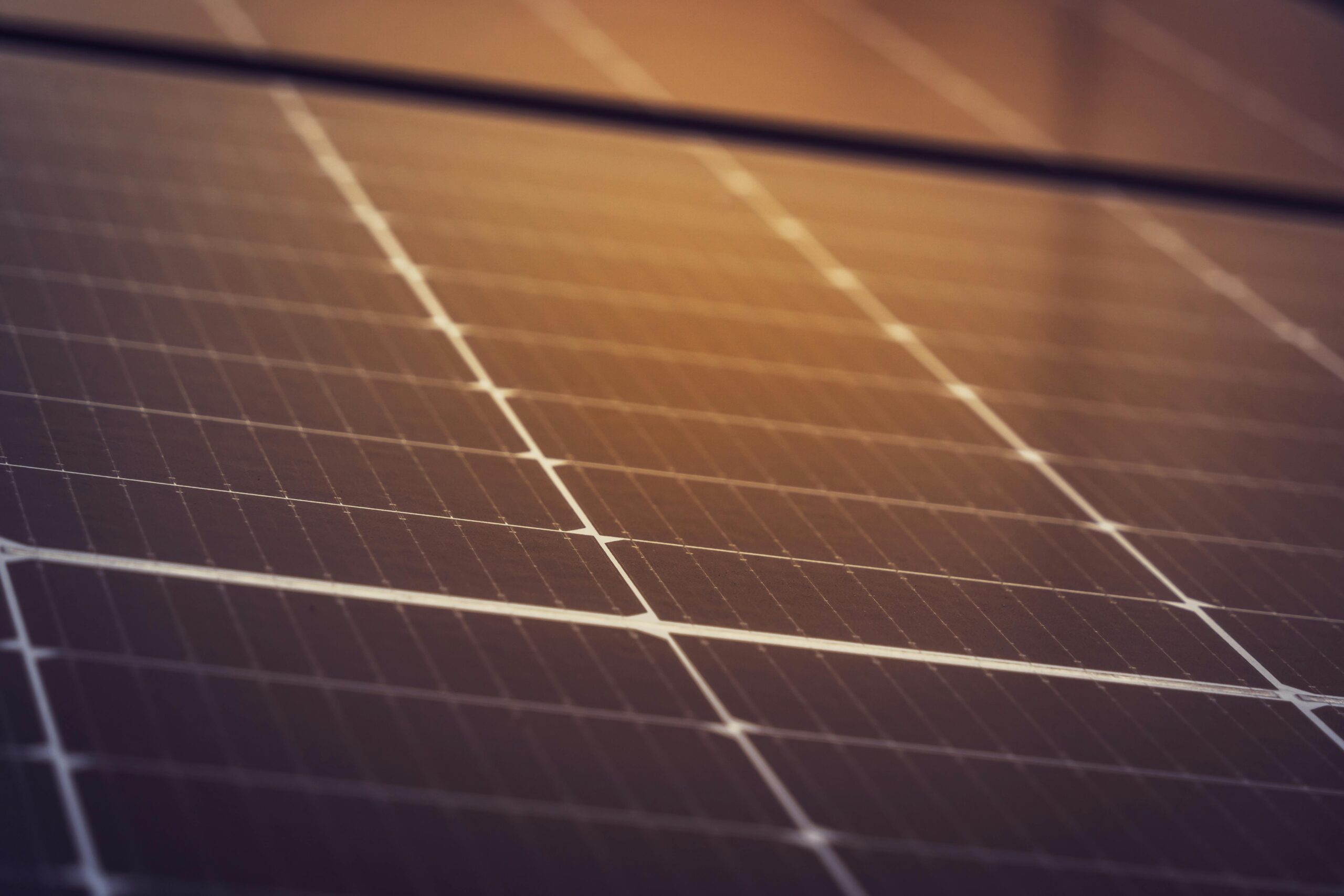
The project includes a 200 MW solar photovoltaic plant and a 120 MWh battery energy storage system (BESS), developed jointly by HAU Energy and Infinity Power within the Benban complex near Aswan.
The expansion is expected to reduce carbon dioxide emissions by up to 280,000 tonnes annually while supporting the integration of renewable energy into Egypt’s national grid.
The financing comes as Egypt accelerates efforts to expand renewable energy generation, strengthen grid stability, and attract private-sector investment into clean energy infrastructure.
Benban continues to attract renewable energy investment
Located near Aswan, Benban Solar Park has become one of the world’s largest solar installations since its launch under Egypt’s feed-in tariff program.
In an exclusive interview with Business Monthly, Mohammed Mostafa El-Khayat, former Executive Chairman of Egypt’s New and Renewable Energy Authority (NREA), said Benban’s development was driven by regulatory reforms introduced under Renewable Energy Law No. 203 of 2014.
“The Renewable Energy Law No. 203 of 2014 was the law that regulated the relationship between state institutions and investors in the renewable energy sector,” El-Khayat said. “Based on this, mechanisms were created to regulate investment in renewable energy, whether through public-private partnerships, feed-in tariffs, or private-sector projects.”
According to El-Khayat, investor interest exceeded initial expectations.
“The target at the time was around 2,100 MW, and 187 local and international alliances applied,” he said. “The total capacity submitted exceeded the target by more than five times, which reflected the attractiveness of the Egyptian market for foreign investment in general and renewable energy investment in particular.”
The Benban complex ultimately included 32 solar projects developed simultaneously across nearly 37 square kilometers.
“We ended up with the Benban complex that included 32 projects being implemented together at the same time,” El-Khayat said. “At one point, there were around 500 heavy trucks entering the site daily, and nearly 10,000 workers operating every day across the projects.”
He added that the project required coordination across multiple ministries and public institutions.
“Benban represented a global model for how to implement this number of projects together at the same time,” he said.
Battery storage expands Egypt’s renewable energy strategy
The latest expansion also reflects Egypt’s growing focus on integrating battery storage into renewable energy infrastructure to improve grid stability and manage intermittency.
“This project marks a significant step in advancing Egypt’s renewable energy capacity through the integration of utility-scale solar and battery storage, enhancing grid stability and enabling greater reliance on clean energy,” said Dalia Wahba.
Egypt is targeting more than 40% renewable electricity generation by 2030, a strategy that increasingly relies on private-sector participation and international financing.
El-Khayat said continued support from international lenders reflects confidence in Egypt’s renewable energy market and execution capabilities.
“The cycle has proven itself successful,” he said. “The projects that started in 2018 are still operating sustainably today, and international financing institutions now have practical experience in Egypt and confidence in the market, developers, and projects.”
“In the current regional context, this project underscores the EBRD’s commitment to strengthening Egypt’s energy security by advancing affordable, clean energy and storage solutions,” said Aida Sitdikova.
Renewable energy expands beyond electricity generation
According to El-Khayat, Benban also contributed to developing technical expertise and workforce capacity within Egypt’s renewable energy sector.
“Benban contributed to creating a workforce for the renewable energy sector in Egypt,” he said. “Many of the engineers, technicians, and entrepreneurs who worked on Benban later moved on to projects across Egypt and even outside the country.”
The latest EBRD financing package also includes technical cooperation programs focused on green skills training and initiatives aimed at increasing women’s participation in technical and leadership positions within the renewable energy sector.
Egypt is simultaneously expanding renewable energy infrastructure beyond Benban, including new solar developments in Aswan and large-scale wind projects in other regions.
He added that growing electricity demand and regional energy pressures are increasing the urgency of renewable energy expansion.
“It is not about whether now is the best time for solar energy,” El-Khayat said. “We will always need to move toward renewable energy while also improving energy efficiency and rationalizing consumption.”