



As artificial intelligence (AI) transforms how destinations identify, target, and engage travelers, Egypt is positioning itself around a different competitive advantage: authentic, experience-led tourism.
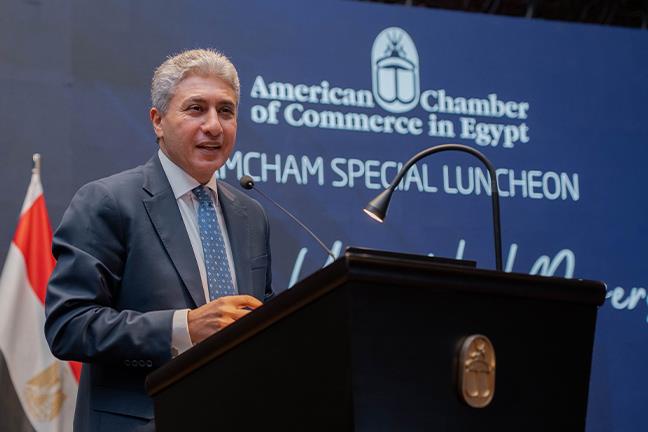
Speaking at the American Chamber of Commerce in Egypt’s June 15 event, Egypt’s Evolving Marketing Landscape: AI, Digital Innovation, and Nation Branding, Minister of Tourism and Antiquities Sherif Fathy outlined a strategy that combines AI-powered marketing with a broader effort to reposition Egypt’s tourism brand.
Rather than relying solely on its traditional image of pyramids and beaches, the ministry is building its strategy around what it calls “unmatched diversity”—a positioning designed to showcase the country’s broad tourism offering, from archaeological sites and Red Sea resorts to desert destinations and cultural experiences.
“Egypt is the country of unmatched diversity,” Fathy said.
Building a destination brand
According to Fathy, the ministry’s objective is to build a long-term national brand rather than focus exclusively on annual visitor targets. The strategy reflects a wider shift in global tourism, where destinations increasingly compete through memorable experiences and emotional connections instead of promoting individual attractions.
The ministry is also encouraging travelers to combine multiple destinations within one trip. Among the examples Fathy highlighted were itineraries linking the North Coast with Siwa Oasis and Red Sea holidays with visits to Luxor and Aswan.
“We need to be creative in introducing new combinations and new experiences to our customers,” he said.
The approach is also intended to encourage repeat visits by giving travelers new reasons to return to Egypt.
AI as an enabler
While acknowledging AI’s growing role in tourism marketing, Fathy cautioned against relying too heavily on algorithmic personalization.
“AI is a great tool to profile, focus, target customers, and convey the message quickly,” he said.
However, he argued that excessive profiling can limit discovery by continually reinforcing existing consumer preferences instead of exposing travelers to new destinations and experiences.
Rather than allowing algorithms to dictate recommendations, the ministry is seeking to use AI to broaden travelers’ choices and introduce lesser-known tourism products alongside those most likely to match their interests.
Digital transformation
Beyond marketing, the ministry is accelerating digital transformation across the tourism sector.
Automated access systems are being expanded across museums and archaeological sites, while technologies such as augmented reality are enhancing visitor experiences. Digitalization also extends to workforce development through EGTAP, an online learning platform for tourism and antiquities professionals.
Together, these initiatives are designed to improve both visitor services and industry capabilities.
Authenticity as a competitive edge
Despite growing investment in AI, Fathy believes Egypt’s strongest competitive advantage remains its authenticity.
“The authentic experience in Egypt is unmatched,” he said.
He noted that travelers increasingly value meaningful interactions with local communities and culturally immersive experiences, trends that are becoming increasingly important as destinations adopt similar digital marketing tools.
Looking ahead
Despite geopolitical challenges affecting regional travel patterns, Egypt expects to welcome around 20 million tourists this year, according to Fathy.
For Egypt’s tourism industry, the challenge is not choosing between technology and authenticity, but combining both—using AI to improve targeting and marketing while ensuring visitors experience what makes the destination unique.